Introduction: Where the Sea Shapes the Soul
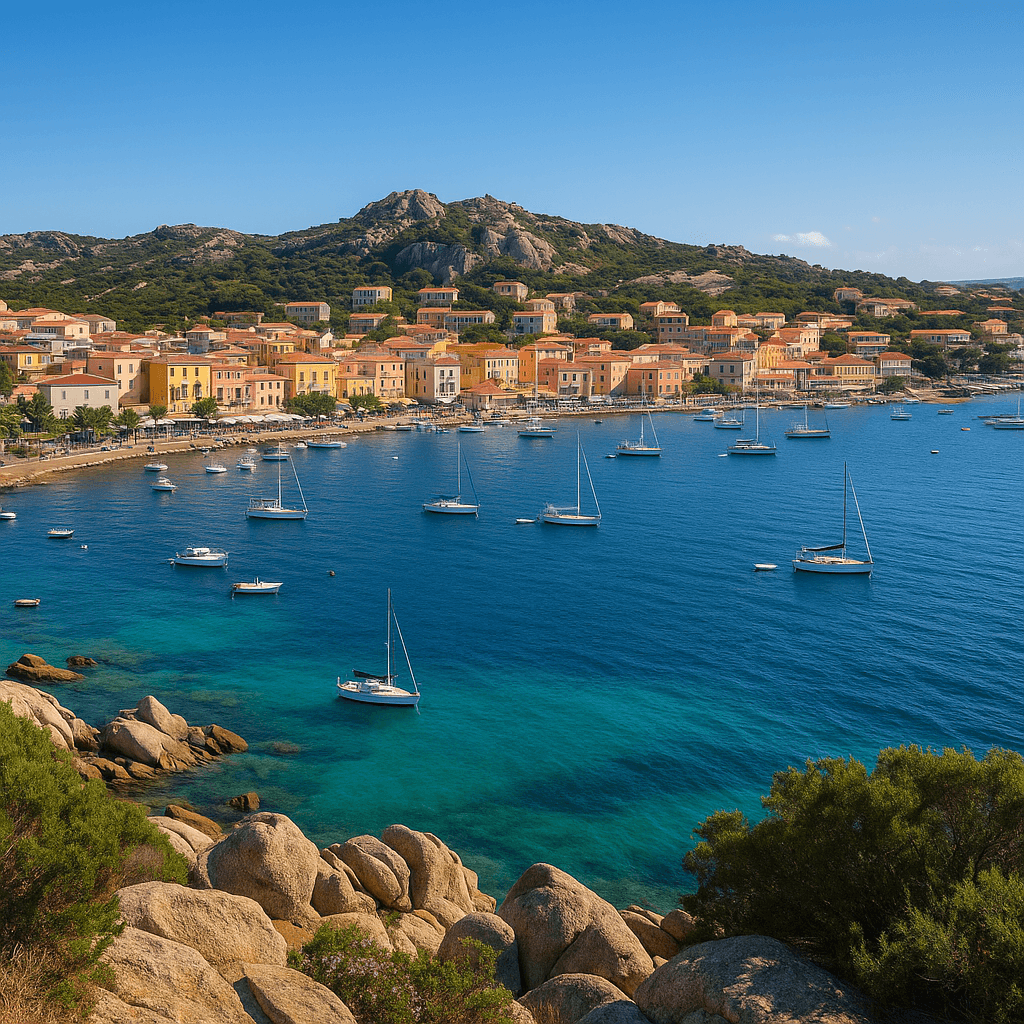
At the northern tip of Sardinia lies a place that still feels untouched by time. Palau, a sunlit town facing the Maddalena Archipelago, is one of Italy’s most overlooked destinations. It offers the kind of natural beauty and slow rhythm that travelers often dream of but rarely find. Pale granite cliffs rise above turquoise waters, sailboats drift in silence, and the scent of salt and wild herbs fills the air. Palau is the kind of place that invites you to stay longer than planned, to trade urgency for simplicity, and to rediscover life by the sea.
The Spirit of Sardinia’s North
Sardinia is known for its rugged coastlines and strong sense of identity, but Palau has a magic of its own. Located in the province of Sassari, this seaside town overlooks the Strait of Bonifacio and the crystalline islands of La Maddalena National Park. The colors of the landscape shift through the day: pink granite at dawn, deep blue waters at noon, and violet shadows at sunset. It is the perfect setting for quiet exploration, away from crowds yet close to the best of northern Sardinia.
In Palau, life follows the rhythm of the sea. Fishermen still bring their catch to the docks each morning, while locals gather at cafés that spill into the streets. The air hums with a balance of authenticity and calm. It feels like discovering Italy’s soul before the noise of modern tourism.
A Haven for Travelers and Dreamers
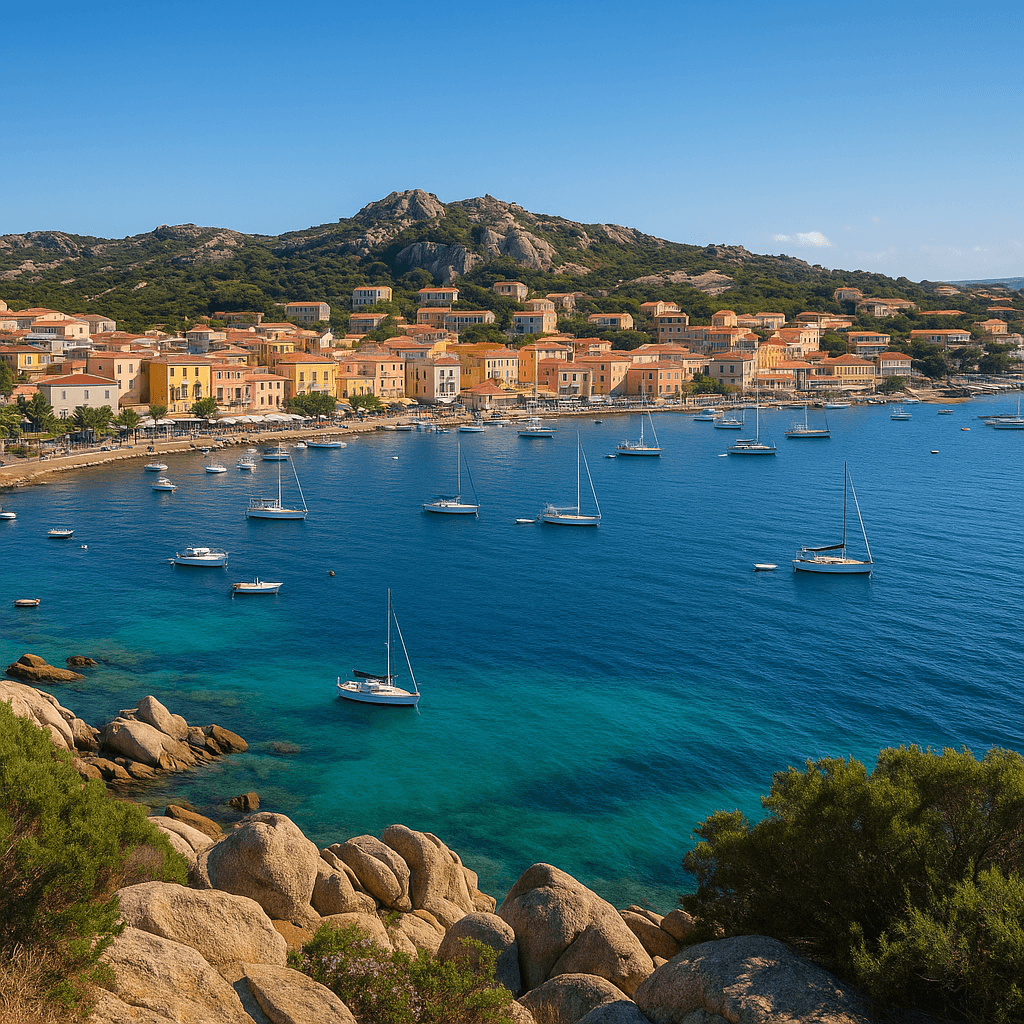
What makes Palau special is not just its scenery but its energy. This is a destination for travelers who prefer discovery over spectacle, depth over display. The beaches curve naturally into coves framed by wind-sculpted rock formations, and the nearby archipelago offers endless opportunities for sailing, snorkeling, and day trips.
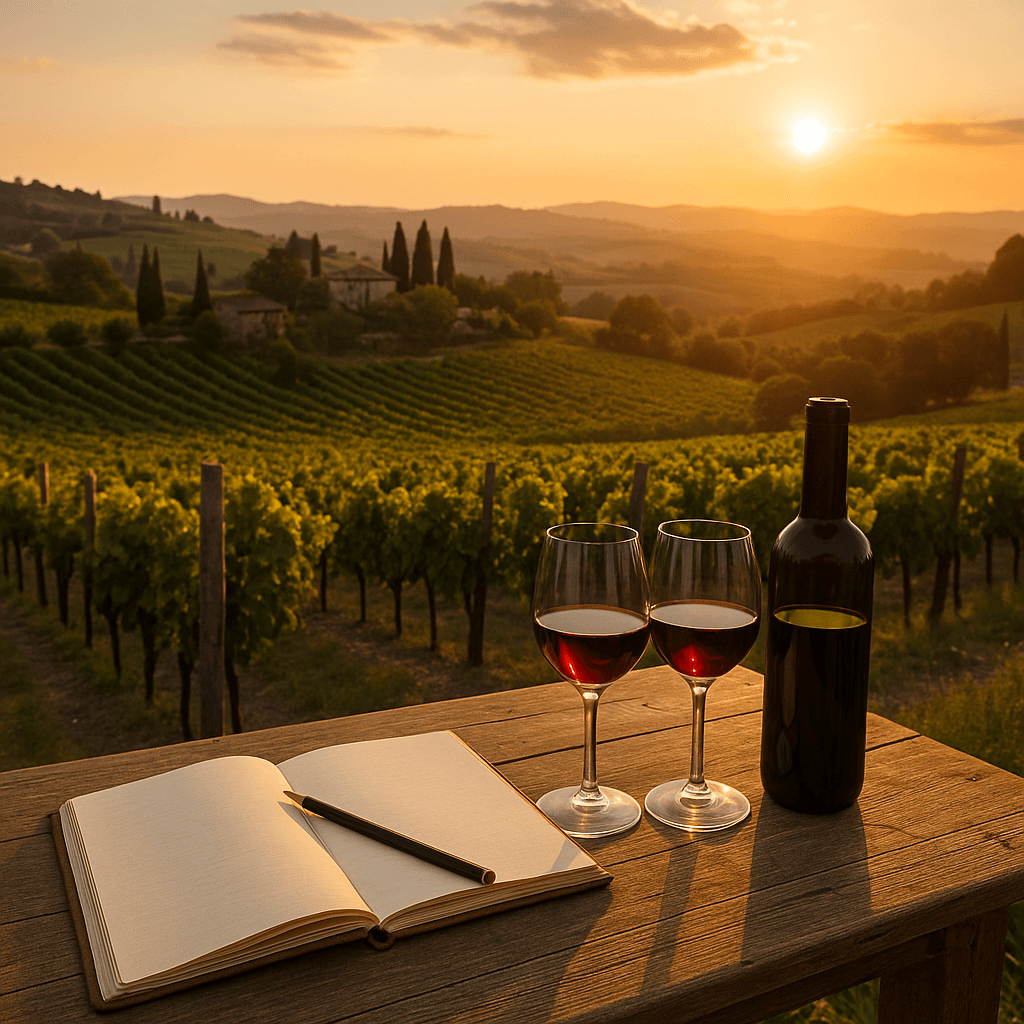
Writers, artists, and photographers often find inspiration here. The light has a painterly quality, and the textures of granite and sea grass create endless color stories. Evenings are quiet, defined by local wine, fresh seafood, and conversation that lingers long after sunset. For anyone seeking a place to think, create, or fall in love with simplicity, Palau provides the perfect atmosphere.
History and Identity
Palau’s history is woven into Sardinia’s maritime traditions. Once a small fishing port, it became a gateway to the Maddalena Islands and a strategic point during naval explorations of the Mediterranean. The famous Bear Rock, or Roccia dell’Orso, has long been a symbol of the town — a massive natural granite formation shaped like a resting bear, watching over the sea.
Even today, locals see the Bear Rock as a guardian of the coast. Hike to its summit, and you can see Corsica shimmering across the water. From this height, Sardinia’s wild beauty unfolds in every direction, hills covered with juniper and myrtle, the sea glowing like glass, and small islands scattered like jewels on a painter’s palette.
Authentic Italian Cuisine and Local Flavors
Palau’s cuisine reflects Sardinia’s island heritage: honest, bold, and full of flavor. Dishes often feature bottarga, a cured fish roe known as “Sardinian gold,” and pane carasau, a thin, crisp bread baked in wood ovens. Seafood is the star of most meals, especially grilled octopus, fresh clams, and lobster from the nearby islands.
Local wines, such as Vermentino di Gallura, pair perfectly with the coastal flavors. Dining in Palau is never rushed. Meals unfold slowly, often outdoors, surrounded by sea breeze and conversation. Every bite carries a sense of place, reminding visitors that true luxury in Italy comes from authenticity, not extravagance.
The Hidden Jewel of the Maddalena Archipelago
From Palau, boats depart daily for the Maddalena Archipelago National Park, a UNESCO-protected chain of islands surrounded by translucent waters. Each island has its own charm: La Maddalena’s cobbled streets, Spargi’s secluded coves, and Budelli’s famous pink beach, Spiaggia Rosa.
These islands remain among the most pristine marine environments in the Mediterranean. Writers and travelers alike often describe this region as a living watercolor, where every shade of blue has a name and every breeze feels like a story beginning to unfold.
Returning to Palau after a day among the islands feels like coming home to serenity. It is the balance of adventure and stillness that defines the town’s quiet allure.
Why Palau Remains Italy’s Hidden Treasure
Unlike the glamorous Costa Smeralda, Palau has resisted overdevelopment. There are no towering resorts or crowded beaches. Instead, there are family-run inns, artisan shops, and people who still take time to greet strangers in the street. Its understated charm makes it ideal for those seeking authenticity over luxury.
Travelers who discover Palau often describe it as the “Italy they hoped still existed.” It is a destination where modern comfort meets timeless simplicity, where nature and culture coexist without pretense. Every sunrise brings the promise of renewal, and every evening leaves behind the feeling of gratitude that such places still endure.
Planning Your Visit
Palau is accessible from Olbia, which has both an international airport and ferry connections to mainland Italy. The drive north takes about an hour and winds through countryside filled with olive groves and wildflowers. Spring and early autumn are ideal times to visit, offering warm weather and quiet beaches. Summer brings more activity, but the charm never fades.
Whether you come to write, to rest, or to explore, Palau rewards curiosity. It is a reminder that Italy’s most beautiful stories are often found not in the famous destinations, but in the hidden ones waiting just beyond them.
Conclusion: A Place That Stays with You
Palau Sardinia is more than a travel secret. It is a state of mind. The meeting of sea and stone, the sound of sails against wind, the taste of Vermentino under the stars, all of it becomes memory. It is a destination for travelers, artists, and dreamers who believe that beauty lives in quiet places.
For those who seek the soul of Italy, Palau is not just a stop along the journey. It is the story itself.